
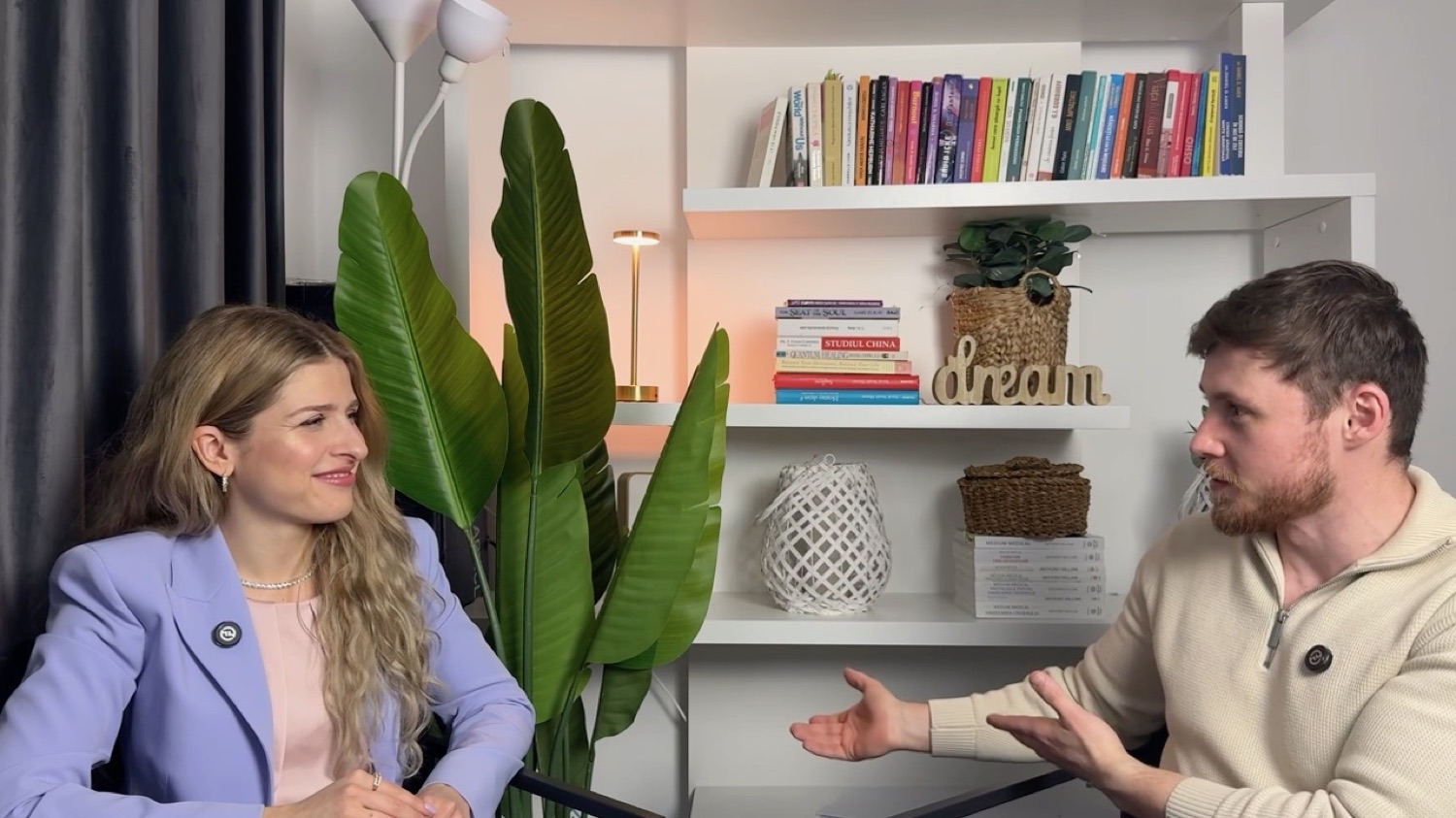
Lewis Hunter in conversation during a podcast recording
Podcast guest

Sharp angles, real numbers, and a reason to be blunt.

Lewis Hunter buys, builds and backs businesses. He turns up with a position, the operating detail to back it, and no commercial incentive to be diplomatic about it. Number one bestselling author of The Operator Trap.

#1Bestselling author
100+Hours on stage
2Business exits
15Age he started selling

Shared rooms with Richard Harpin, Ferruccio Lamborghini II, Joseph McClendon III, JT Foxx and Larry Long Jr.

Guest angles

Where the conversation can go

Three arguments Lewis can carry for a full episode. The thread running through all of them is the same: he only makes money if the business does.

01

Skin in the game

Why advice from someone who gets paid either way is structurally compromised. The invoice goes out regardless, and that one fact shapes everything an owner is told: safe recommendations, defensible reports, and no real reason to care what happens in year three. Lewis takes a stake instead, so his downside is the same as theirs. This is the angle that indicts an entire industry, and he has the structure to back it up.
02

Buy the growth: deals and partnerships

Why the fastest route past a plateau is often bought rather than built. How to engineer partnerships where both sides genuinely earn more, what acquirers actually pay for, and what he looks for before putting his own money or time into a business. He is actively acquiring right now, so this is a live conversation rather than a war story.

03

Relationship capital and lifetime value

The number owners should actually be competing on. Why the business that understands what a customer is worth over time can afford to spend the most to win and keep them, and generally outlasts everyone still optimising the front end. Most growth is lost by losing customers, not by failing to win them.

Also available: why every owner is surrounded by yes and how AI made it worse, escaping the operator trap, building authority by association rather than by content, and the arc from selling at school to two exits.
The line hosts tend to clip

Compliments without truth are insults dressed up as kindness.

Sample questions

Questions a host can read straight off the page

Grouped by angle. Pick a thread and run with it, or ignore all of it and go where the conversation takes you.

On skin in the game
  • You take a stake instead of sending an invoice. Why?
  • What actually changes about advice when the person giving it loses money if you do?
  • What is the trade you put to owners?
  • Where does most business advice quietly go wrong?
  • What is a hard truth you have had to tell an owner who did not want to hear it?
On deals and partnerships
  • You are actively looking for deals. What are you actually looking for?
  • What do acquirers really pay for when they buy a business?
  • How do you structure a partnership so both sides genuinely earn more?
  • When is buying growth smarter than building it?
  • What is the deal that taught you the most, good or bad?
On lifetime value
  • Why do you say lifetime value is the number owners should compete on?
  • How does the business that can afford to spend the most to win a customer end up winning?
  • What do most owners get wrong about keeping customers?
  • What is relationship capital, and why does it beat chasing the next sale?
  • What numbers do you check first to see if growth is actually making money?
On the operator trap and being surrounded by yes
  • What is the Operator Trap, and how does an owner know they are in it?
  • Why does working harder never fix a stalled business?
  • What is the order to hand things over in?
  • You say owners are surrounded by yes. What do you mean?
  • You argue AI is quietly making owners worse at decisions. How?
The receipts

The operating detail behind the arguments.

Specifics he can go into on air, with real numbers rather than round ones.

Two exits

Two completed business exits, plus a portfolio of companies and property he runs today.

60% more profit

In his own property business he stopped outsourcing the cleaning, laundry, management and maintenance and brought all of it in-house. Profit per property rose by roughly 60 percent. Same buildings, different operating model.

Since age 15

Operating since he was fifteen, selling at school. Everything since has been a version of the same instinct: find the angle, the leverage, or the deal hiding in plain sight.

Number one

The Operator Trap, co-authored with Vincent Hovorka, reached number one in the UK and Australia. It documents the Four Engines, the method he installs in the businesses he backs.

100+ hours

On stage, including Red Bull Racing, the Ferrari Museum and the Lamborghini Museum.

The framework

The Four Engines

The operating method Lewis installs in the businesses he buys or backs. Each engine replaces something the owner is currently doing themselves.

01

Authority

Produces trust. Replaces the owner being on every sales call, stage and camera.

"Your income ceiling is your communication ceiling."

02

Visibility

Produces attention. Replaces building a brand alone through content and hope.

"Authority is not given. It is engineered."

03

Revenue

Produces income. Replaces the owner closing every deal and chasing every lead.

"What a customer is worth over time decides who wins."

04

Scale

Produces freedom. Replaces the owner doing admin, delivery, operations and support.

Systems and AI, not heroics.

For the host

What to expect from Lewis as a guest

01

Prepared

He reviews the show, the audience and your recent episodes before recording. He will reference them.

02

Studio-ready

Professional audio and video setup. No apologies needed, no unusable clips.

03

Promoted properly

Episodes get shared across his channels when they air, rather than buried.

Podcast invite

Have Lewis on your show

Send your show name, roughly who listens, and an ideal recording window. You will get a straight answer quickly, including if it is not the right fit.